


Questions to Ask Custom Home Builders
Table of Contents
Questions About Builder Experience and Years in Business
Custom Home Builder Interview Questions to Ask at Your First Meeting
Portfolio and Past Client References
Licensing, Insurance, and Qualifications
Questions to Ask a Builder Before Signing a Contract
Contract Terms and Change Orders
Warranty and Post-Construction Support
Custom Home Construction Timeline: What to Expect
Custom Home Builder Cost Breakdown and Budget Protection
What Costs Are Not Included
Preventing Budget Overruns
Communication Expectations and Site Supervision
Construction Quality Verification and Inspections
Energy Efficiency and Sustainable Building Practices
Frequently Asked Questions
Last Updated: October 16, 2026
Questions About Builder Experience and Years in Business
When you're planning a custom home, knowing which questions to ask custom home builders about their track record matters more than anything else. Years in business tell you they've survived market cycles and learned from mistakes.
Start by asking how long the builder has been in business. We at Bpa John Andrews have been crafting custom homes since 1998, which means we've navigated multiple economic shifts and built homes across changing building codes and technologies.
Next, ask about their experience with your home's style and size. A builder who specializes in mid-century ranch additions isn't necessarily the best fit for a modern farmhouse.
Ask about the builder's team structure. Who will be your main point of contact? Will the owner stay involved, or will you work with a project manager? Transparency here prevents the frustration of being handed off to someone new mid-project.
Pro Tip Ask the builder to name three completed homes similar to yours that you can visit. If they hesitate or offer only older examples, that's a red flag. Recent work shows their current quality and process.
Custom Home Builder Interview Questions to Ask at Your First Meeting
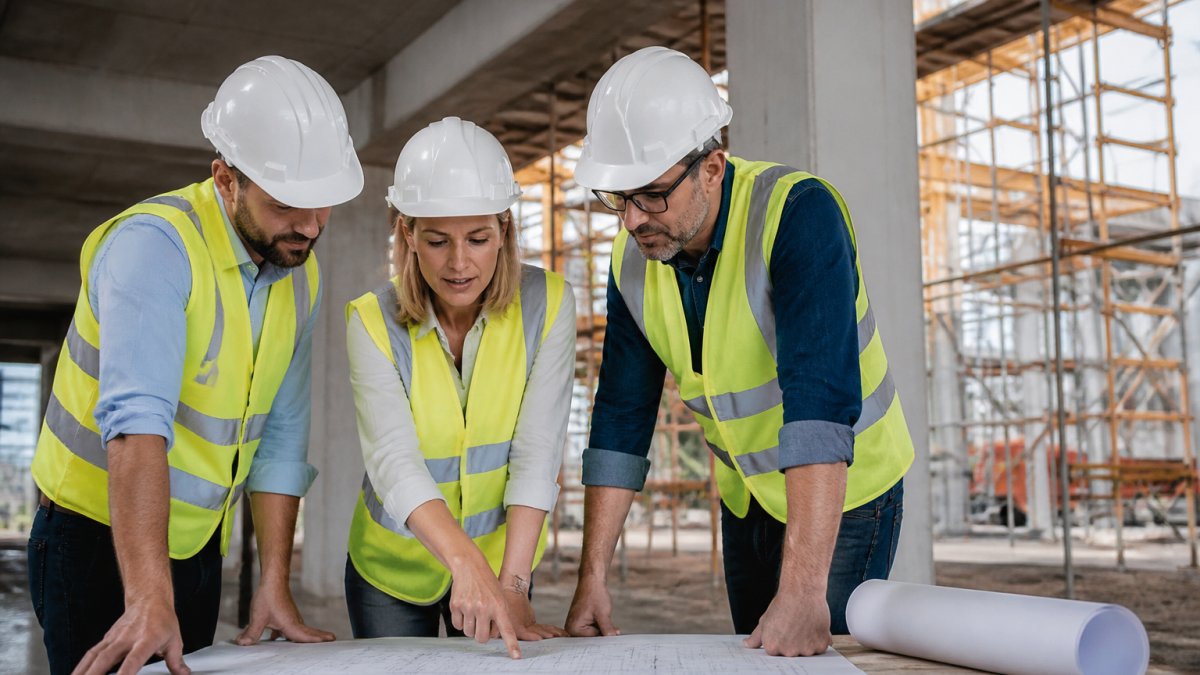
The first meeting sets the tone for everything that follows. Come prepared with a comprehensive list of questions to ask custom home builders that go beyond surface-level conversation. You're evaluating whether this builder understands your vision and can execute it without drama.

Portfolio and Past Client References
Ask to see a detailed portfolio of completed custom homes. Photos are a start, but you need to see real homes in person or through video walkthroughs. Look for consistency in quality and design execution.
Request references from at least three clients from the past two years. Call them directly. Ask specific questions: Did the builder stay on schedule? How did they handle problems? Were there cost overruns? Did communication stay clear throughout the project?
When you contact references, listen for hesitation or complaints about communication. A reference who mentions the builder disappeared for weeks is telling you something important. Ask whether the final home matched what was promised at the start.
Licensing, Insurance, and Qualifications
Never skip this step. Ask for proof of current licensing in your state. Verify it independently through your state's licensing board. Ask about insurance coverage: general liability, workers' compensation, and builder's risk insurance. Request certificates of insurance and confirm coverage limits are adequate.
Ask whether the builder carries bonding. A performance bond protects you if the builder abandons the project. A payment bond protects subcontractors and suppliers.
Ask about any past lawsuits or complaints filed against the builder. Your state's licensing board and the Better Business Bureau maintain records. If there's a history of disputes, understand what happened and how the builder resolved them.
Watch Out A builder who resists providing proof of licensing or insurance is signaling risk. This information is not proprietary, it's basic protection for you. Walk away if they dodge this question.
Questions to Ask a Builder Before Signing a Contract
The contract is where vague promises become binding obligations. Read it carefully. If you don't understand something, ask. A good builder will explain every section without frustration.
Oyler Hines of Coldwell Banker Realty
Contract Terms and Change Orders
Ask the builder to explain their change order process in detail. How are changes documented? How long does approval take? What happens to the budget and timeline when you request a change? Many budget overruns start with informal change requests that aren't properly tracked.
Get a sample change order form. It should clearly state the change, the cost impact, the timeline impact, and require your signature before work begins. If the builder makes changes without written approval, you have no protection.
Ask about the contract's payment schedule. Payments should be tied to specific milestones, foundation complete, framing complete, rough-in complete, final completion. Never pay more than 10-15% upfront. Never pay in full until the home is finished and you've inspected every detail.
Ask what happens if the builder goes out of business mid-project. Your contract should address this. Some builders use lien waivers. Others carry completion bonds. Make sure you understand your recourse.
Warranty and Post-Construction Support
Ask what the builder warrants after completion. Most builders offer a one-year warranty on workmanship. Some offer longer. What does the warranty cover? Cosmetic issues only, or structural problems too? What's the process for making a warranty claim?
Ask about the builder's post-construction support. Will they respond to calls about issues? How quickly? Some builders have a dedicated person who handles warranty work. Others make you schedule with the original crew. The difference matters when you discover a leak in January.
Key Takeaway A builder who offers a five-year structural warranty and a one-year workmanship warranty is taking responsibility seriously. A builder who offers only a one-year "as-is" warranty is shifting risk.
Custom Home Construction Timeline: What to Expect
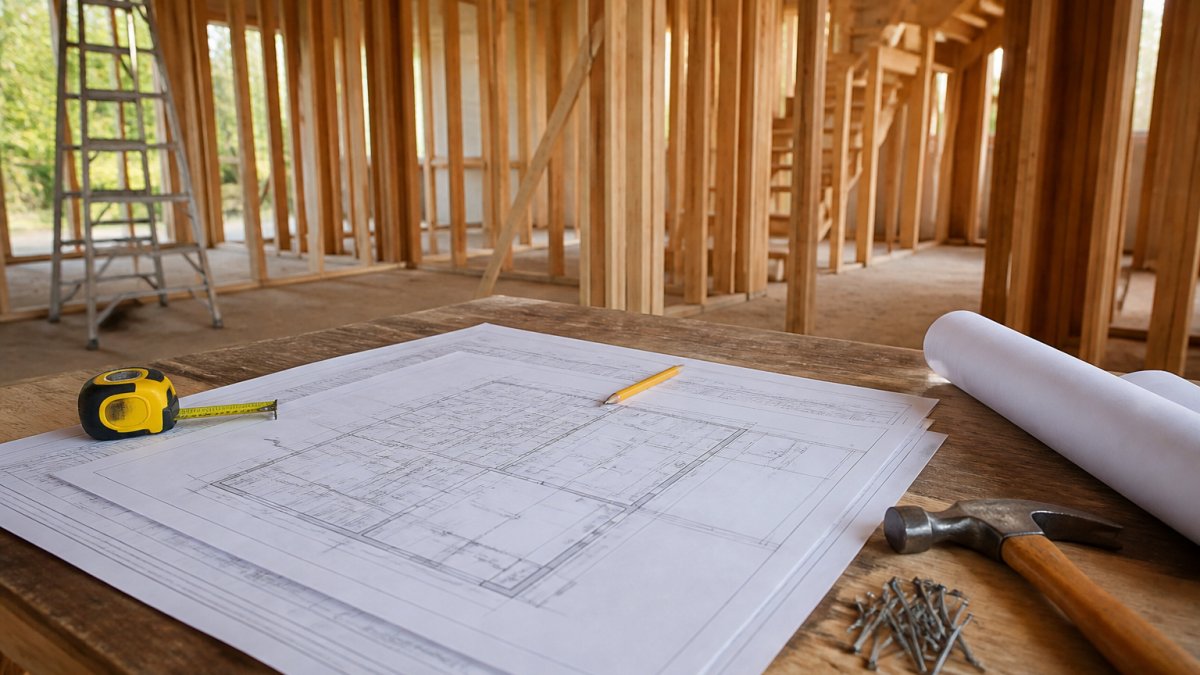
Ask the builder for a detailed project timeline. Not just "12 months," but month-by-month milestones. When does design finalization happen? When does permitting start? When do major trades begin?
Ask how the builder accounts for permit delays, weather, and supply chain issues. Custom homes rarely follow the original timeline perfectly. A builder who acknowledges this and builds in realistic buffers is being honest.
Ask what happens if the project runs late. Is there a penalty clause in the contract if the builder misses the completion date? Is there a bonus if they finish early?
Ask about the building process itself. When will you see the framing? When can you make decisions about finishes? Some builders require all decisions upfront. Others allow changes during construction (though this costs more). Understand the rhythm of the project and when your input is needed.
Custom Home Builder Cost Breakdown and Budget Protection
Ask for a detailed estimate that breaks down costs by category: site work, foundation, framing, electrical, plumbing, HVAC, finishes, and so on. A vague estimate that lumps everything together gives you no protection when costs rise.
Ask the builder to explain what's included in the base price and what costs extra. Allowances for appliances, flooring, and fixtures should be clearly stated. If the builder says "standard finishes," ask what that means. See examples.
What Costs Are Not Included
Ask explicitly: what's not included in the estimate? Site preparation costs? Permits and inspections? Temporary utilities during construction? Landscaping? These items can add thousands to your final bill if you're not prepared.
Ask about soft costs, architect fees, engineer fees, survey costs, title insurance. Who pays for these? The builder should clarify upfront.
Ask about contingencies. Most builders include a contingency allowance (typically 5-10% of the project cost) for unforeseen issues. Understand what triggers this contingency and how it's managed.
Preventing Budget Overruns
The best way to prevent overruns is to lock down specifications before work starts. Decide on finishes, fixtures, and materials early. Get everything in writing.
Ask the builder how they handle discoveries during construction, hidden rot, poor soil conditions, outdated wiring that needs replacement. These are real risks in custom homes. The contract should address how costs for these surprises are handled.
Ask about the builder's relationship with subcontractors. Do they use the same subs repeatedly, or do they shop around?
Pro Tip Request a detailed cost breakdown before signing. If the builder resists or says "we'll figure it out as we go," that's a warning sign. Precision in estimating protects both of you.
Communication Expectations and Site Supervision
Ask how often you'll hear from the builder during construction. Weekly check-ins? Monthly? Who initiates contact? What happens if you have a question or concern? A builder who commits to regular communication and fast response times is showing they value transparency.
Ask about site access. Can you visit the site whenever you want, or are there restricted times? Some builders restrict access for safety reasons. Others welcome owner involvement. Understand the expectations.
Ask about the builder's on-site supervision. Is the owner present daily, or is a project manager overseeing work? Who makes decisions if something goes wrong? You want to know who's in charge and how quickly decisions get made.
Ask how change requests are handled. If you want to modify something mid-project, who do you tell? How quickly do they respond with a cost estimate? A builder with a clear process for this prevents miscommunication.
Construction Quality Verification and Inspections
Ask whether the builder hires a third-party inspector to verify quality at key stages. Many quality builders do this proactively. The inspector catches problems early, when they're cheaper to fix.
Ask about the builder's quality control process. Do they walk the site daily? Do they use checklists to verify workmanship? Do they test systems, HVAC, plumbing, electrical, before finishing walls? Good builders have a systematic approach to quality.
Ask whether you can hire your own inspector at key milestones. A builder confident in their work won't object. You can catch issues before they're covered up by drywall or finishes.
Ask about the final walkthrough process. How detailed is it? Will the builder provide a punch list of items to fix? What's the timeline for completing punch-list items? This final step prevents disputes about what was promised versus what was delivered.
Energy Efficiency and Sustainable Building Practices
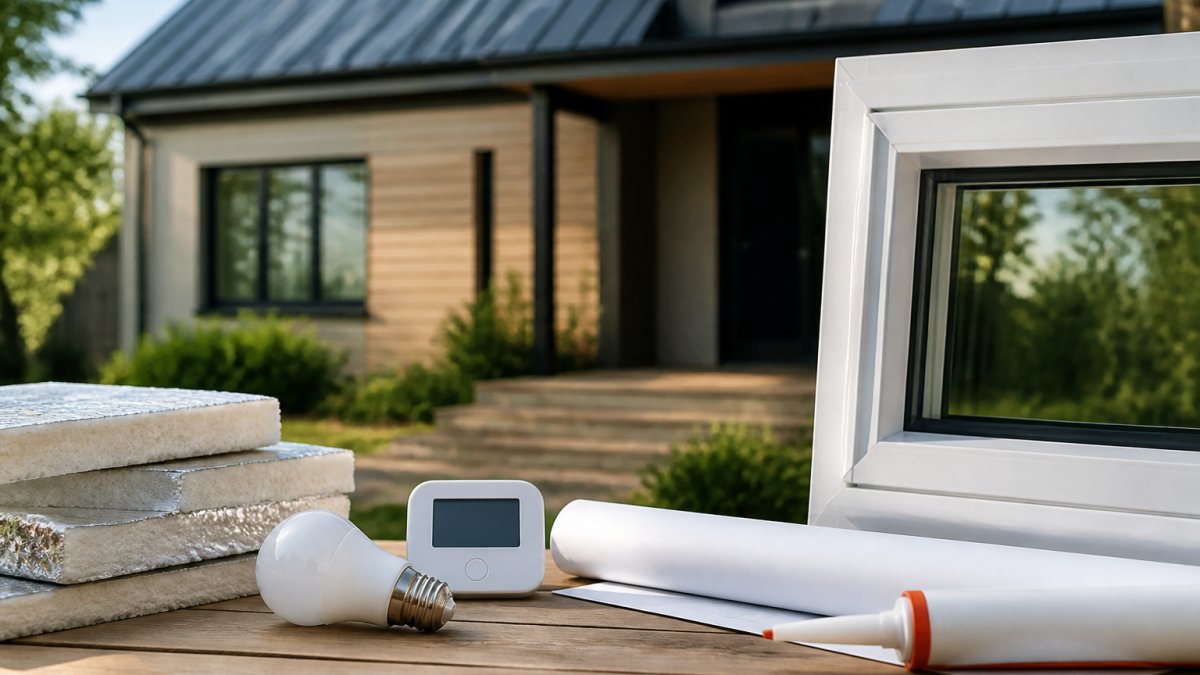
Ask the builder about their approach to energy efficiency. Do they design for passive solar gain? Do they use high-performance insulation? Do they seal air leaks?
Ask about the building envelope, how it's insulated, how air leakage is controlled, how moisture is managed. A builder who can explain these details in depth is taking energy performance seriously.
Ask whether the builder uses sustainable materials. Are they sourcing locally when possible? Do they use low-VOC finishes? Do they recycle construction waste? These practices matter if sustainability is important to you.
Ask about certifications. Does the builder pursue Energy Star certification? LEED? Net-zero standards?
At Bpa John Andrews, we prioritize energy-efficient and sustainable building practices from the design phase forward.
Choosing a custom home builder is one of the biggest decisions you'll make. The questions you ask now determine whether your project runs smoothly or becomes a source of stress. Come prepared.
Get started with Bpa John Andrews and experience a transparent, collaborative building process. We've delivered custom homes and expert renovations since 1998, with a commitment to seamless communication, superior craftsmanship, and sustainable design. Book Online to discuss your project vision with our team.
Frequently Asked Questions
What should I ask a custom home builder at the first meeting?
Start by asking about their experience with homes similar to yours in style, size, and budget. Request to see their portfolio of completed homes built in the last 2-3 years, and ask for references from recent clients you can contact directly. Ask how long they've been in business, their licensing and insurance status, and their approach to the overall building process. Finally, ask about communication frequency and how they handle changes or unexpected issues during construction.
How do I compare custom home builders effectively?
Create a comparison scorecard that evaluates each builder on experience with your home style, portfolio quality, references from past clients, licensing and insurance verification, contract clarity, warranty terms, and communication approach. Ask each builder the same set of questions to ensure consistent answers. Check references thoroughly by asking about budget adherence, timeline accuracy, workmanship quality, and post-construction support. Request detailed written estimates that break down labor, materials, and overhead so you can compare apples to apples.
What costs are typically not included in a custom home builder's estimate?
Common costs excluded from builder estimates include site preparation and land clearing, permits and inspections, utility connections, landscaping, driveway installation, and certain design upgrades. Financing costs, title insurance, and homeowners insurance are also typically separate. Ask your builder for a comprehensive list of what is and isn't included, and request a contingency budget (usually 10-15% of the total project cost) for unexpected discoveries during construction, such as soil conditions or structural issues.
How can I protect my budget from overruns during construction?
Include a detailed change-order process in your contract that requires written approval and pricing before any work deviates from the original plan. Set a fixed contingency amount upfront for unexpected issues, and require the builder to notify you immediately if that contingency is at risk. Request monthly cost reports and progress updates. Ask the builder how they handle unforeseen conditions like poor soil or hidden structural damage, and establish a clear approval process for any cost increases before work begins.
Book Online
Comments