


High-End Home Renovation Companies: What to Know
Table of Contents
What Defines a High-End Home Renovation Company
Key Questions to Ask Renovation Contractors
Building a Home Renovation Contractor Checklist
Credentials and Insurance
Portfolio and References
Understanding Home Remodeling Project Timeline Expectations
How to Compare Renovation Estimate Details
Specialty Services in High-End Renovation
Kitchen and Bathroom Remodeling
Whole-Home Transformations and Additions
Sustainable and Energy-Efficient Design
Transparency, Communication, and Contract Protection
Frequently Asked Questions
Last Updated: October 12, 2026
What Defines a High-End Home Renovation Company
A high-end home renovation company is a contractor specializing in custom residential construction and remodeling that prioritizes premium materials, architectural integrity, and sophisticated design execution. These firms distinguish themselves through meticulous craftsmanship, attention to detail, and the ability to manage complex projects that demand both technical expertise and aesthetic vision.
What separates high-end home renovation companies from standard remodeling comes down to three core elements: the quality of materials selected, the depth of design collaboration, and the sophistication of project management. A high-end home renovation company doesn't simply replace cabinets or repaint walls, they orchestrate comprehensive transformations that enhance property value, improve functionality, and reflect the homeowner's lifestyle.
The best firms in this category, like Bpa John Andrews, combine decades of experience with a transparent building process. Since 1998, we've focused on delivering tailored designs and high-quality craftsmanship for both residential and commercial projects.
High-end renovation contractors typically handle whole-home transformations, kitchen and bathroom remodeling, custom additions, and specialty projects like outdoor living spaces. They work closely with architects and designers, manage multiple trade coordinators, and maintain consistent communication throughout the project lifecycle.
Key Questions to Ask Renovation Contractors
Before hiring any renovation contractor, you need clarity on their experience, process, and commitment to your project. The right questions separate contractors who will disappear after signing the contract from those who remain engaged partners throughout construction.
Start with their track record: How long have they been in business? Can they provide recent portfolio examples, work completed in the last 2-3 years, not just their greatest hits from a decade ago?
Next, address the communication concern directly. How will you stay informed during construction? Will you have a dedicated project manager, or will you work with the owner? How often will you receive updates? What's the protocol if you need to reach someone with a question?
Ask about their approach to cost management. What happens if unexpected conditions arise, like discovering outdated electrical wiring or structural issues during demolition? How will they handle change orders? A reputable contractor will explain their process for documenting surprises, presenting options, and getting approval before proceeding.
Finally, clarify their credentials and insurance. Are they licensed and bonded in your state? Do they carry liability insurance? Workers' compensation? These aren't optional, they're fundamental protections for your home and your legal standing if something goes wrong.
Building a Home Renovation Contractor Checklist
Creating a systematic evaluation process ensures you compare contractors fairly and make a decision based on concrete criteria rather than gut feeling alone.
Credentials and Insurance
Verify that any contractor you're considering holds current licensing for your state. Licensing requirements vary by jurisdiction, but most states require general contractors to pass exams and maintain active credentials. Ask for proof of liability insurance and workers' compensation coverage, request certificates directly from their insurance provider, not just copies from the contractor. This confirms coverage is current and legitimate.
Ask about bonding. A surety bond protects you if the contractor fails to complete work or pay subcontractors. Not all states require bonding for all projects, but for high-value renovations, it's a meaningful safeguard. Similarly, ask whether they're members of any professional organizations like the National Association of Home Builders (NAHB) or local construction associations. Membership doesn't guarantee quality, but it signals commitment to industry standards and continuing education.
Portfolio and References
Request a portfolio of recent projects, specifically, work completed within the last two years. Photos matter, but ask to visit completed homes if possible. Seeing finished work in person reveals details that photos miss: how well trim is finished, how seamlessly additions blend with original structures, the quality of paint and stain work, and overall attention to detail.
Contact references directly, and ask specific questions about their experience. Did the contractor stay on schedule? How did they handle unexpected issues? Would they hire this contractor again? Pay attention to whether references mention communication, that's often the most telling factor in homeowner satisfaction.
Understanding Home Remodeling Project Timeline Expectations
Timeline expectations separate realistic projects from ones destined for frustration. A well-managed renovation progresses through distinct phases, each with its own duration and dependencies.
The planning and permitting phase typically takes 4-8 weeks. This includes finalizing designs, obtaining necessary permits from local building departments, and scheduling inspections. Permit timelines vary significantly by jurisdiction, some municipalities process applications in days, others take months.
Demolition and preparation usually takes 1-3 weeks depending on the project scope. For a kitchen remodel, this might mean removing cabinets, appliances, and flooring. For a whole-home transformation, it's more complex.
The construction phase is the longest and most variable. A kitchen remodel might take 6-10 weeks. A bathroom renovation, 4-8 weeks. Whole-home renovations or additions can extend 4-6 months or longer.
The final phase, finishing, inspections, and punch-list work, typically takes 2-4 weeks. This includes final inspections from building departments, installation of fixtures and finishes, and addressing any remaining details. Many homeowners underestimate this phase, but it's where quality shows.
Throughout all phases, weather, material delays, and permitting issues can extend timelines. A contractor who builds buffer time into their schedule and communicates proactively about delays is far more reliable than one who promises aggressive timelines and then scrambles to meet them.
How to Compare Renovation Estimate Details
A detailed estimate reveals how a contractor thinks about your project and how transparent they'll be during construction. Never compare estimates based on total price alone, the details matter far more.
A quality estimate breaks costs into line items: demolition, framing, electrical, plumbing, HVAC, finishes, labor for each phase, and contingency. It should specify materials, not just "cabinets" but the brand, style, and finish.
Look for a contingency line item, typically 10-15% of the total project cost. This is the contractor's buffer for unexpected issues.
Ask what's included and what's not. Does the estimate cover permits? Design fees? Structural engineer reports if needed? Temporary utilities during construction? Some contractors bundle these costs; others bill them separately. Understanding what's included prevents surprise invoices later.
Compare timelines alongside costs. If one contractor quotes significantly lower than others, ask why. Are they using different materials? Including fewer finishes? Planning a shorter timeline? Lower price combined with unrealistic timeline is a red flag.
Request a payment schedule. Reputable contractors typically ask for a deposit (often 10-25% of the project cost) to secure the start date, then request payment in phases tied to completion milestones.
Specialty Services in High-End Renovation
High-end home renovation companies offer specialized services that go beyond standard remodeling. These services demand specific expertise and often require coordination with architects, engineers, and specialty trade contractors.
Kitchen and Bathroom Remodeling
Kitchen and bathroom remodeling represent the highest-value renovation projects because these spaces dramatically impact daily living quality and property resale value. A high-end kitchen remodel integrates custom cabinetry, premium countertops, professional-grade appliances, and sophisticated lighting design. The best contractors manage the complexity of coordinating plumbing, electrical, gas lines, and ventilation while maintaining design cohesion.

Bathroom remodeling demands attention to waterproofing, ventilation, and fixture placement. High-end bathrooms incorporate heated floors, custom tile work, luxury fixtures, and spa-like features. The difference between adequate and exceptional bathroom work lies in details: how precisely tile is cut and grouted, whether waterproofing is done correctly behind walls (where you can't see it but where failures cause major damage), and how fixtures are installed to prevent leaks.
Whole-Home Transformations and Additions
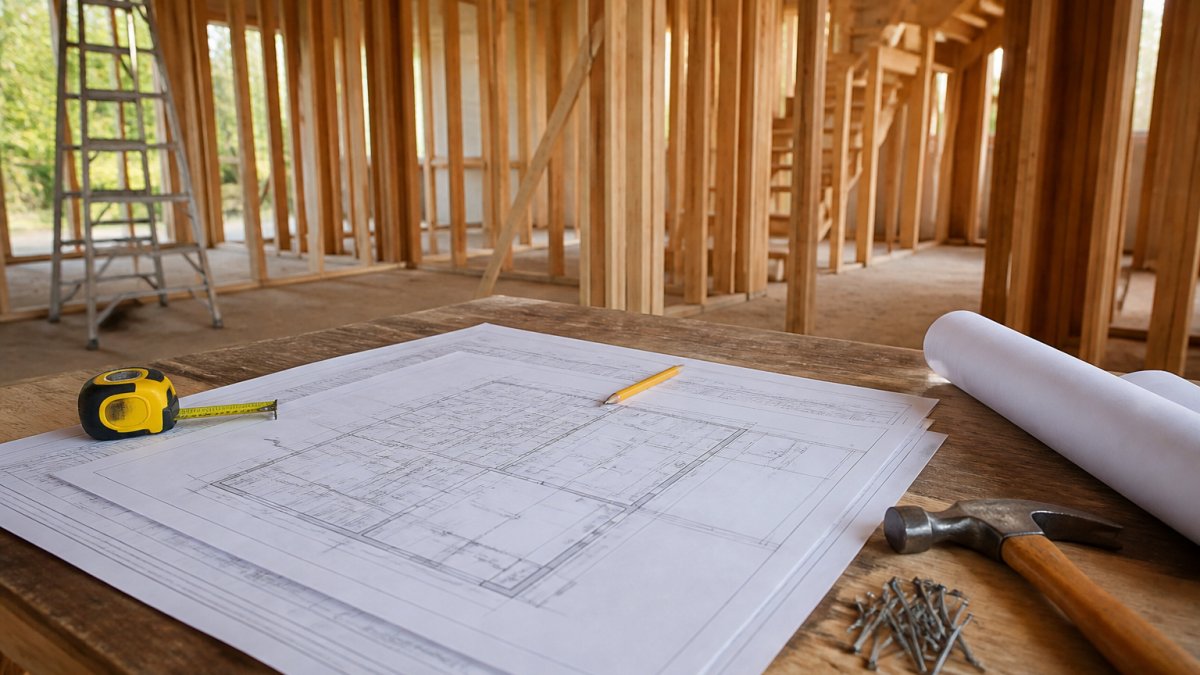
Whole-home transformations require orchestrating work across multiple spaces simultaneously. This might mean updating electrical systems throughout the house, replacing HVAC systems, upgrading insulation, and refreshing every room's finishes. The complexity demands exceptional project management because work in one area affects others. Electrical upgrades might require temporary power arrangements. HVAC installation requires coordination with framing and ductwork. A skilled contractor sequences these phases to minimize disruption while maintaining schedule.
Additions present their own challenge: making new construction look and function like it was part of the original design. This requires understanding the original home's architectural language, roof pitch, siding materials, window styles, interior trim details, and replicating these elements in the new space. The best contractors study original construction documents and sometimes hire architects to ensure seamless integration.
Sustainable and Energy-Efficient Design
Sustainable building practices have moved from optional to expected in high-end renovation. Homeowners increasingly want homes that perform better, cost less to operate, and minimize environmental impact. A contractor committed to energy-efficient design integrates this thinking from the design phase forward, not as an afterthought.
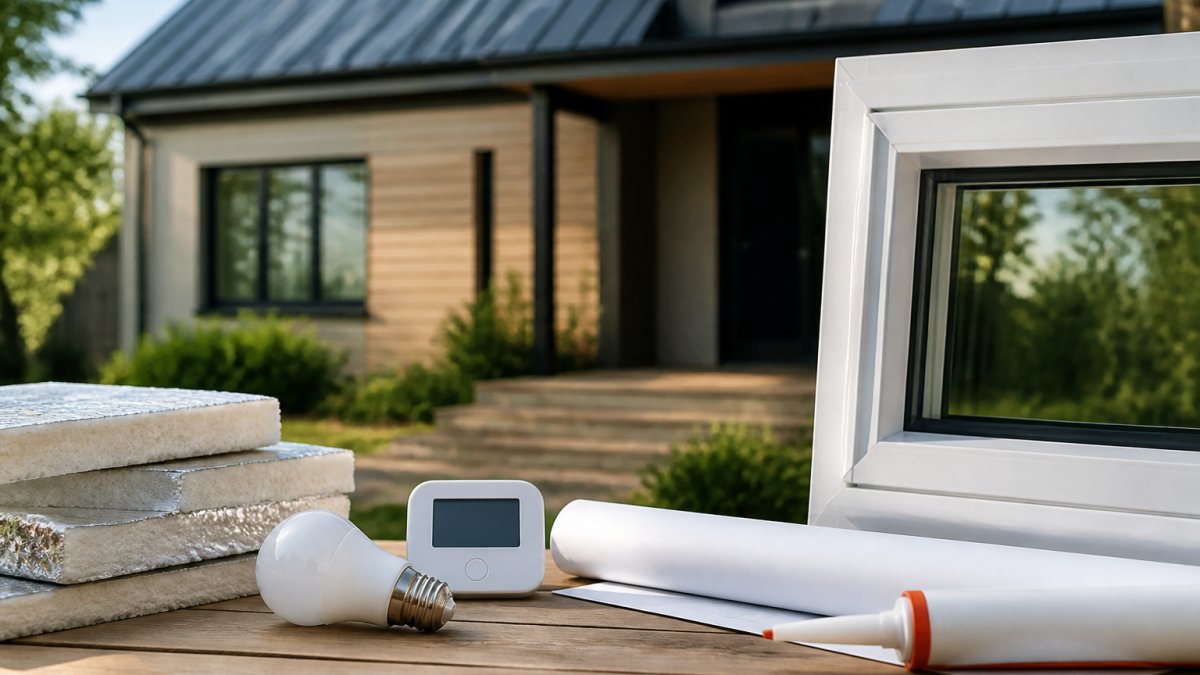
This includes proper insulation and air sealing to reduce heating and cooling loads, high-efficiency HVAC systems, LED lighting throughout, water-efficient fixtures, and sometimes renewable energy like solar panels. At Bpa John Andrews, we prioritize energy-efficient and sustainable building practices as core to our process. We work with homeowners to understand their priorities, whether that's minimizing utility bills, achieving specific energy certifications, or simply building a home that performs well.
The key distinction is involvement from the start. A contractor who treats sustainability as a checklist item will miss opportunities to integrate efficiency into the overall design. A contractor who understands building science can recommend solutions that improve both performance and aesthetics.
Transparency, Communication, and Contract Protection
The difference between a successful renovation and a frustrating one often comes down to how the contractor handles transparency and communication throughout the project.
Start with a clear, detailed contract. It should specify the scope of work, timeline, payment schedule, and how changes will be handled.
The contract should also address dispute resolution. What happens if you're unhappy with the finished work? A reputable contractor will have a process for addressing concerns, typically a punch-list phase where minor issues are corrected, and a warranty period where you can report problems. Understanding these terms before signing prevents misunderstandings later.
Communication protocols matter as much as the contract itself. How will you receive updates? Weekly emails? Monthly meetings? Will you have direct access to the project manager or the owner? What's the response time for questions or concerns? These details seem minor until you're mid-project and can't reach anyone to discuss a decision.
Document everything. Take photos of the work at different phases. Keep copies of all change orders, invoices, and correspondence. If issues arise, this documentation protects you. A contractor who welcomes documentation and communication is a contractor you can trust.
Choosing the right high-end home renovation company requires balancing multiple factors: credentials, portfolio quality, transparent communication, and a clear understanding of your project's scope and timeline. Our decades of experience since 1998 means we've managed the complexity of whole-home transformations, kitchen and bathroom remodeling, and custom additions with the attention to detail your project deserves.
Frequently Asked Questions
What should I look for in a high-end home renovation company?
Look for a contractor with a strong portfolio of luxury projects, proper licensing and insurance, clear communication practices, and experience with your specific project type, whether kitchen remodeling, bathroom remodeling, or whole-home renovation. Ask for references from recent clients and verify their track record with high-quality finishes and complex design-build projects. A reputable company should explain their process transparently and provide detailed estimates that break down labor, materials, and timeline.
How do I compare renovation estimates from different companies?
Request itemized estimates from multiple contractors that clearly separate labor, materials, permits, and contingencies. Ensure all estimates cover the same scope of work. Compare not just the total cost but the quality of materials proposed, the contractor's warranty terms, and their approach to handling unexpected issues. High-end renovations often involve design-build services where the contractor collaborates with architects and interior designers, verify whether this is included and how it affects pricing.
What questions should I ask a renovation contractor before hiring?
Ask about their experience with projects similar to yours, how they handle change orders and cost overruns, their typical project timeline, who will manage day-to-day communication, and their warranty coverage. Inquire about their subcontractors and trade coordination process. Request examples of recent work and ask how they ensure high-quality craftsmanship and attention to detail. Also clarify their payment schedule, contract terms, and how they address sustainability and energy-efficient design if those are priorities for you.
How long does a typical high-end home renovation take?
Timelines vary based on project scope. A kitchen or bathroom remodeling typically takes 3-6 months, while whole-house renovations or significant additions can take 9-18 months or longer. Factors affecting duration include design complexity, permit approval times, material availability, and discovery of hidden structural issues. A reputable contractor should provide a realistic project timeline upfront and explain potential delays. Establish clear milestones in your contract and discuss how the company handles disruptions to your daily life during construction.
Book Online

Comments